
THE VETOZON JOURNAL
Ozone baths for animals: exploring other veterinary approaches
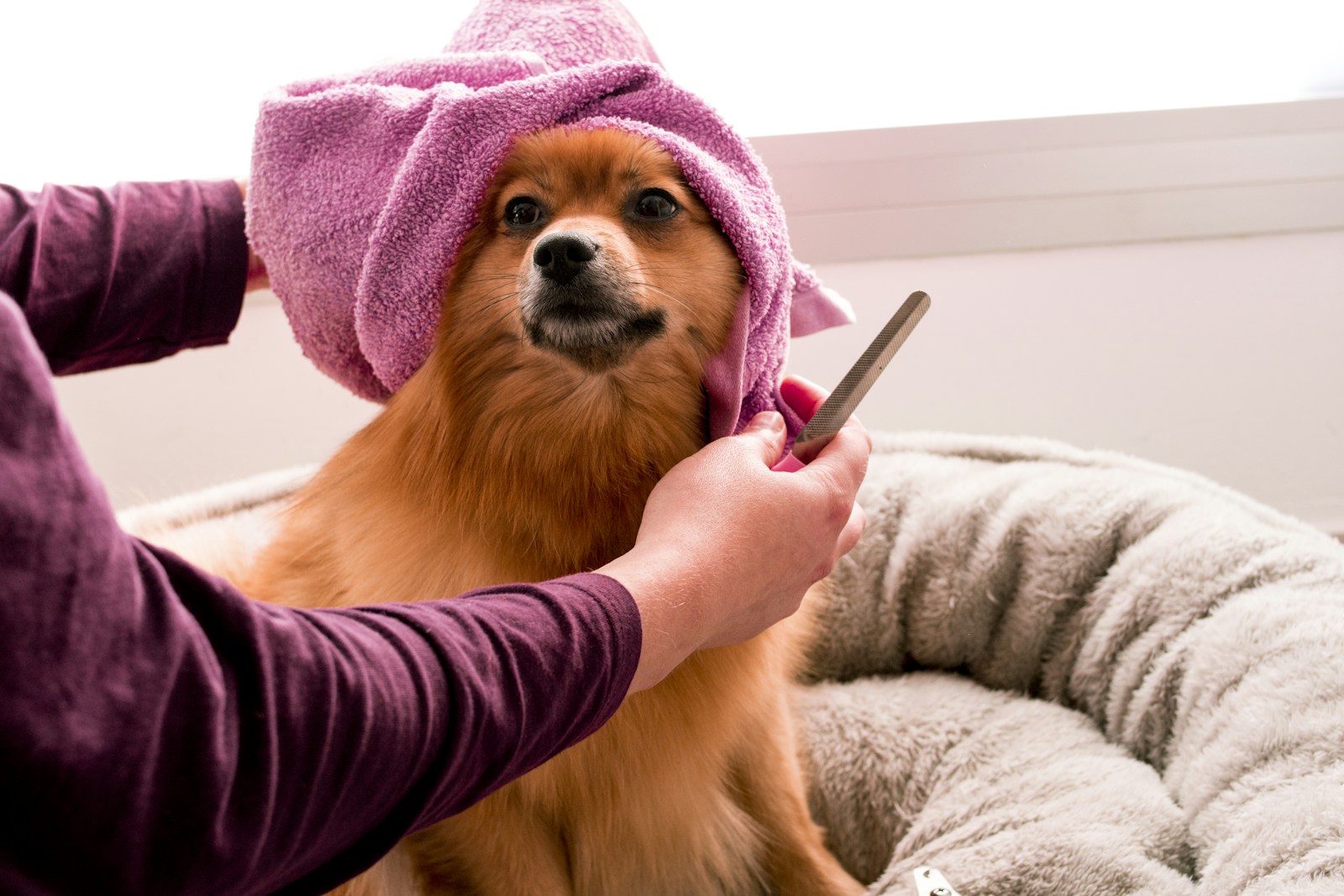
A coat that quickly feels greasy again, an odour that returns after bathing, or a skin-care routine that takes over daily life: these situations can prompt owners to explore more options for their animals. Ozone bathing uses water to bring ozone into contact with the skin. Encouraging findings in dogs suggest potential for skin care. It also provides a useful starting point for understanding other ozone therapy approaches, including local bagging, rectal insufflation and targeted injections.
What is ozone bathing for animals?
Here, ozone balneotherapy means bathing in water enriched with ozone using suitable equipment. The water contacts the skin and coat; some systems also generate bubbles. This is a skin-care application, distinct from rehabilitation in a swimming pool or on an underwater treadmill.
Its practical appeal is a surface application without a needle. The veterinarian starts with the problem being addressed and considers how the treatment could fit alongside existing care. The animal’s comfort, appropriate equipment and ventilation are part of planning the session, including preventing ozone inhalation.
Greasy skin: encouraging observations owners can relate to
In an open study, Goto et al. (2025) compared 14 dogs receiving ozone baths with three receiving bubble baths without ozone. Seborrhoea improved in 13/14 dogs immediately and 10/14 after one week, versus 1/3 controls. Existing treatments remained unchanged; no adverse events were observed during this short follow-up.
One example was a five-year-old female French bulldog whose skin greasiness and odour scores improved after bathing and remained improved at one week: a documented, practical change reported in the study tables.
Why are veterinarians interested in ozonated water?
Its antibacterial action on the skin is one important direction. Matsuda et al. (2025) studied four beagles for antibacterial activity and six for skin barrier function, comparing ozonated water, purified water and sodium hypochlorite. Ozonated water reduced skin bacteria without worsening hydration or water-loss measurements over two weeks. These are promising findings for local care, separate from a trial treating dermatitis.
Ozone’s reactivity connects these applications, while the medium and route determine where contact occurs and what the treatment aims to achieve. This is why looking beyond the bath can be useful: each method addresses a different care question. Selecting the route is part of the veterinary assessment, rather than assuming that every application will produce the same effects.
Beyond the bath: matching the route to the goal
Bagging: local contact with a defined skin area
Bagging encloses a defined area within a closed device containing an oxygen–ozone mixture. It provides local contact without immersing the whole animal. This is an approach to discuss when planning targeted care, with preparation of the area and monitoring of its progress. The veterinarian assesses how it fits into treatment; results from bathing do not establish the results of bagging.
Rectal insufflation: exploring the body’s response
Rectal insufflation follows a different rationale. In a crossover study by de Oliveira et al. (2024), ten healthy dogs received rectal ozone, oxygen alone or no intervention during different periods. Seven-week monitoring showed an antioxidant response following a temporary oxidative signal. This biological observation supports investigating a broader response involving the body’s defences, rather than surface contact alone.
Local injections: targeted administration
With local injections, the practitioner selects the region and technique according to the diagnosis. They open up other possibilities for supportive care, including the joint conditions discussed in our article on dog arthritis and ozone therapy. The injection site and practical arrangements are explained at the consultation. The aim is to choose a relevant approach, rather than routinely combine every available route.
Building a manageable care plan with Vetozon
Start with what matters most for your companion: skin condition, easier care or everyday comfort. Ask which method addresses that goal, how it fits with other treatments and when progress will be reviewed. An overall estimate and a clear appointment plan also help you consider the budget and travel involved.
Bring a description of what has changed and a list of the care already being used. Agree on a few useful observations to follow between appointments. This keeps the conversation focused on your animal and helps the veterinarian adjust the plan as needed.
Practical questions
Do these findings also apply to cats and horses?
The studies discussed here involve dogs. For a cat or horse, selecting a technique requires an assessment specific to the species, the condition and the individual animal.
Can I prepare an ozone bath at home?
A therapeutic application should be planned with a professional using suitable equipment. Your veterinarian defines the treatment conditions and monitoring; a household ozone generator is not a substitute for this support.
Which approaches are available through the network?
Vetozon presents bagging, rectal insufflation, local injections and autohaemotherapy on its approaches page. To discuss a method, including ozone bathing, and check availability, use the veterinarian enquiry form or contact Vetozon. Our network is currently based in Belgium: info@vetozon.com · +32 499 31 74 95.
Further reading: understanding the principles of veterinary ozone therapy.
Illustrative photograph : Hayffield L / Unsplash.