
THE VETOZON JOURNAL
Gingivitis and oral lesions in cats: where can ozone therapy fit in?
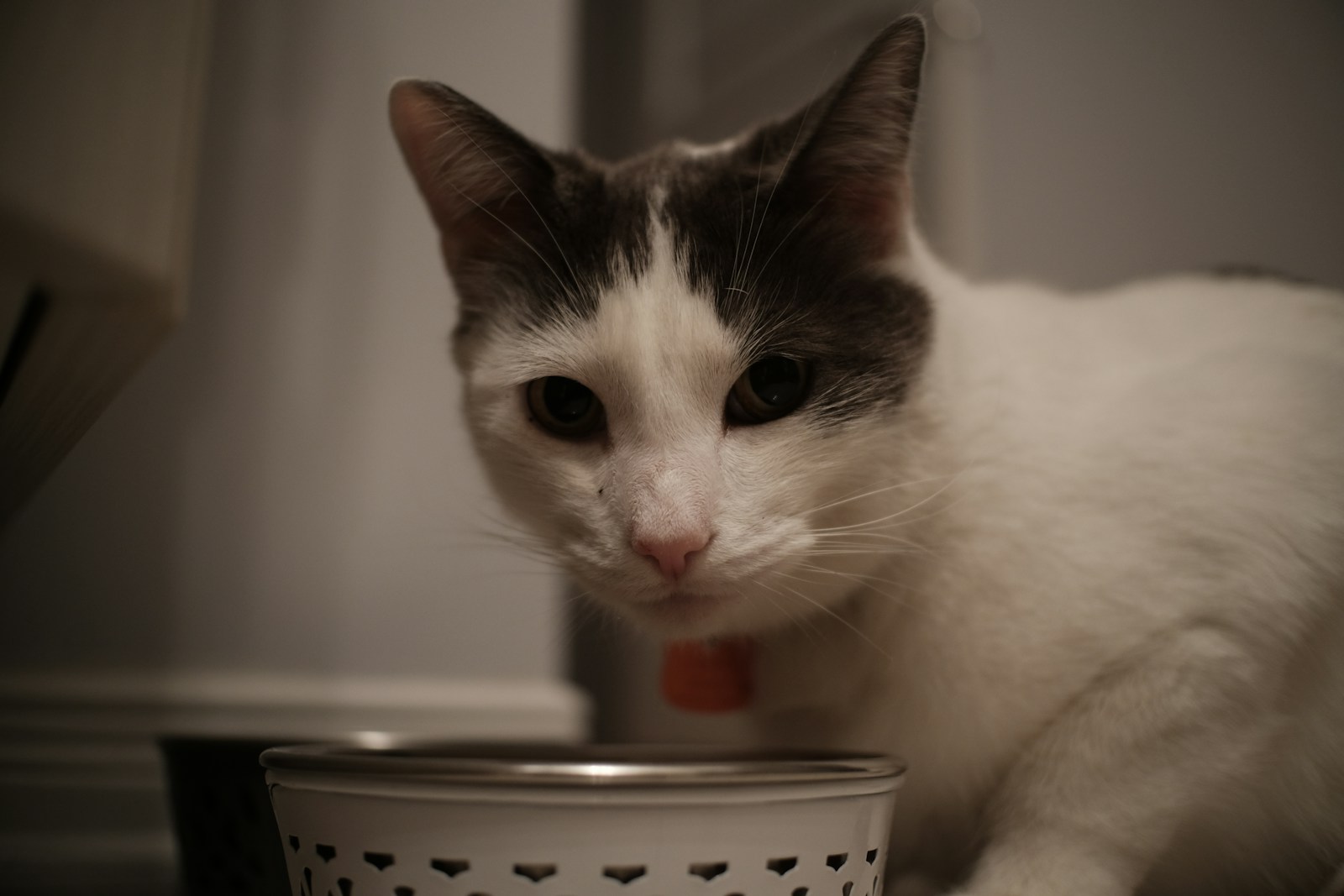
Does your cat approach the food bowl, hesitate and then walk away? A sore mouth can make mealtimes difficult. The goals of care are practical: more comfortable eating and a calmer daily life. In selected situations, a veterinarian may suggest ozone therapy alongside dental and oral care. Here is how to explore that option, through a published case and an observation shared by veterinarians who partner with Vetozon.
Start by understanding what is troubling your cat
Gingivitis means inflammation of the gums around the teeth, often linked to dental plaque. Redness, bad breath, drooling or a change in eating habits may draw your attention. Feline chronic gingivostomatitis also affects the lining of the mouth, sometimes extending towards the back of the oral cavity. This more extensive inflammation requires its own care plan.
A lip lesion, such as those seen in eosinophilic granuloma complex, is a different condition again. All these problems can interfere with meals, but they do not call for identical treatment. A veterinary examination helps identify the appropriate care, whether pain management, dental treatment or investigation of an underlying cause.
Veterinary background: gingivitis, gingivostomatitis and eosinophilic granuloma complex — Cornell Feline Health Center.
Which techniques might be considered?
Among the approaches presented by Vetozon, rectal insufflation and local injections appear in a published feline gingivostomatitis case. The choice is discussed with the veterinarian in light of the lesions, previous care and the cat’s response to handling. Each technique has a place in an individual plan; they are not automatically combined.
Rectal insufflation involves administering an oxygen–ozone mixture through a suitable catheter. This provides a route away from the mouth. The veterinarian explains what the appointment involves and adjusts handling to keep the cat as comfortable as possible.
Local injections target a defined area. In the published case below, the applications were subcutaneous, around the lesions. This is a veterinary procedure: the clinician assesses its relevance and the conditions needed to perform it. Gas applications in the mouth or at home should never be improvised.
A published example: bringing treatments together
In 2019, Soares and colleagues described a six-year-old cat with gingivostomatitis and tooth resorption. Following extractions and postoperative care, eleven sessions combined laser and rectal ozone, with subcutaneous injections added from the ninth session; ozonated oil was also included. From the fourth session, the authors reported normal eating and resolution of bad breath. This single case, without a comparison group, describes a favourable course during combined treatment. This case concerns gingivostomatitis with tooth resorption; it does not demonstrate a specific benefit for isolated gingivitis.
Source: Soares et al., IBO3A clinical conference report, 2019, pp. 72–73.
Other formulations have also been studied. A randomised, double-blind university study by Barata (2023) compared an ozonated paste with placebo in ten cats with refractory gingivostomatitis, five per group. The trend towards clinical improvement was not statistically significant. This formulation differs from the techniques discussed here, is not offered by Vetozon and cannot establish their effectiveness.
Source: Barata, University of Lisbon, 2023.
From our veterinary partners: a smaller, less sensitive lip lesion
A clinical case shared by veterinarians who partner with Vetozon. A cat had eosinophilic granuloma affecting both sides of the upper lip and difficulty grasping food. After four ozone therapy sessions combined with laser, the veterinarians reported a marked reduction in lesion size and no pain on touch.
This encouraging progress concerns a lip condition, distinct from gingivitis. It illustrates practical goals for supportive care: monitoring lesion size and sensitivity, then reassessing how easily the cat can eat. The reported outcome relates to the combination of treatments; it does not separate the contribution of ozone from that of laser.
Make follow-up practical and focused on daily life
Before starting, agree on the goals of care, appointment frequency and a review date with the veterinarian. Ask for an overall estimate covering examinations, any dental procedures and complementary sessions. Ozone therapy fits within that wider plan; it does not replace indicated dental treatment.
At home, record what your cat actually eats, which textures are accepted and any changes in behaviour during meals. These observations help the veterinarian assess progress. Avoid handling a sensitive mouth to “test” for pain. Contact the veterinarian promptly if your cat stops eating or the condition worsens.
It can help to bring a short list of your priorities to the appointment: making meals easier, keeping visits manageable and understanding how progress will be assessed. Ask what would lead the veterinarian to continue, adjust or stop the complementary sessions. A clear plan gives you practical points to watch between visits and makes follow-up easier to organise.
To understand ozone therapy and discuss veterinary support in Belgium, use the Vetozon veterinarian enquiry form or contact our team: info@vetozon.com · +32 499 31 74 95.
Illustrative photograph: Augusto Pinheiro / Unsplash.